
Built-In Security That Keeps Watch
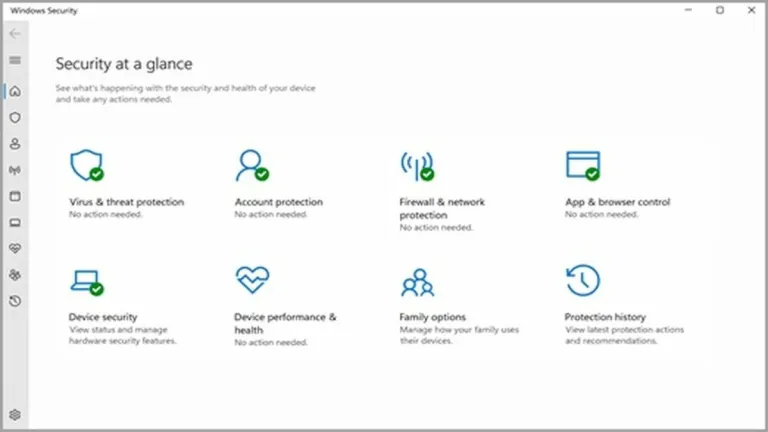
Microsoft Defender, developed by Microsoft, provides built-in malware protection for Windows desktops through the Windows Security experience. It offers real-time scanning, cloud-delivered threat intelligence, and Microsoft Defender Offline for harder-to-remove infections. It also includes firewall controls, tamper protection, and SmartScreen app and browser checks. The tool suits everyday users and IT teams that need integrated baseline protection without a separate antivirus installation.
Top Recommended Alternative

What Defender Handles in the Background
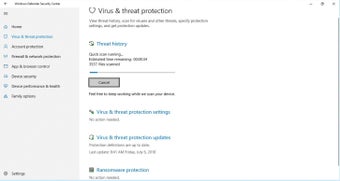
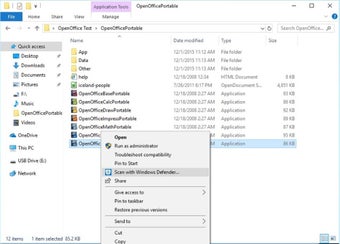
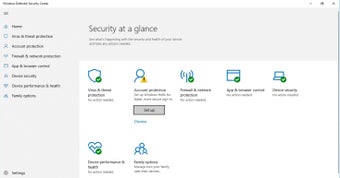
Microsoft Defender Antivirus works as the platform’s built-in threat protection, running real-time scans that check files, downloads, removable media, and suspicious behavior. Because it is included with Windows Security, it activates by default on compatible systems and provides baseline protection for home PCs and managed desktops. This built-in setup reduces installation effort, although some controls sit across different Windows Security menus.
Cloud Help for Fast-Moving Threats
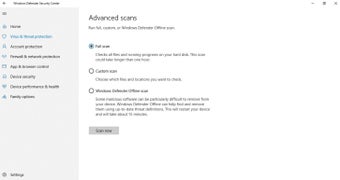
Detection and removal combine local scanning with cloud-delivered protection and an offline recovery option. Cloud intelligence helps Defender respond to newer threats, while Microsoft Defender Offline can scan for persistent malware outside the running system. Independent security labs often rate Defender strongly, supporting its role as primary antivirus protection for many users, though specialized environments can still require extra endpoint tools.
Settings, SmartScreen, and Tamper Guards
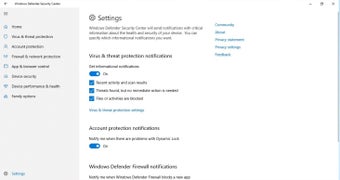
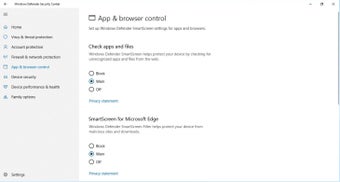
Security settings are managed through Windows Security and standard update channels, with security intelligence updates delivered automatically. Defender also includes SmartScreen checks for risky apps, files, and websites, plus tamper protection to help stop malicious changes to security settings. The layout is functional, but users unfamiliar with Windows Security can need time to find specific controls.
Low Setup, Not Zero Thinking
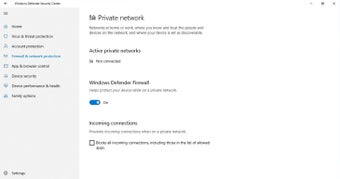
Deep system integration reduces setup friction because no separate installer is needed for the built-in protection. Features such as Controlled Folder Access add ransomware-focused defense by limiting unauthorized changes to protected folders, while the firewall helps filter network traffic. When another antivirus is active, Defender can enter passive mode to avoid conflicts, so behavior depends on the device’s security setup.
A Strong Default With Sensible Limits
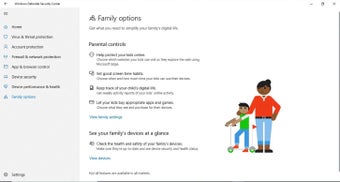
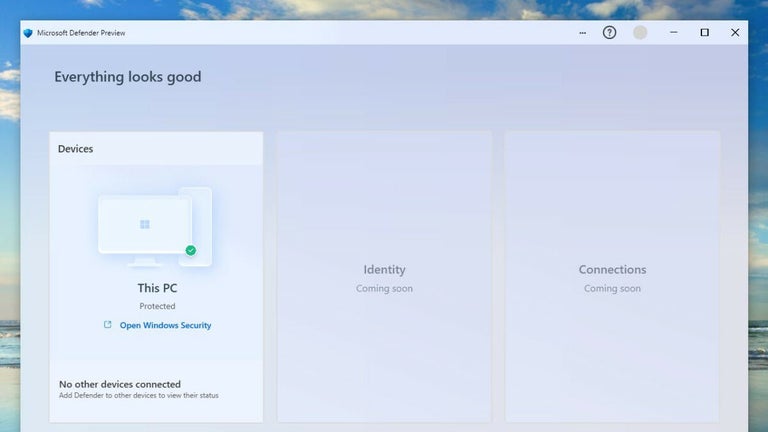
Microsoft Defender is a practical choice for users who want always-on antivirus software that runs quietly and updates automatically. Its strongest points are built-in access, real-time protection, ransomware tools, and offline scanning. However, advanced cross-device, identity, and family protections can depend on Microsoft 365, and users wanting extras like bundled VPN tools need a broader paid security suite.